Fence Staining and Sealing: When to Call an Installer
A fence is one of those points you just notice when it looks incorrect. Up until after that, it fades right into the history, quietly doing its work. Then the boards begin to discolor, the pickets go blotchy, and the rails develop that completely dry, harsh feeling under your hand. You clean it down and wish it will certainly boost. It typically does not.
That's when fencing discoloration and securing steps from "wonderful concept" to "we need to fix this properly." And sometimes the appropriate action is not a weekend job, yet calling a fence installer who does the preparation, the item selection, and the timing that make a difference.
I have actually seen a few persisting circumstances in the field. Some are easy homeowner repairs. Others come down to website conditions, safety and security, and whether the fencing was built in a manner in which will certainly accept discolor and sealer constantly. Below is a sensible overview for making a decision when to DIY, when to get a professional fence contractor involved, and exactly how to speak to a fence company so you get the result you're actually paying for.
What staining and sealing truly do (and what they can not)
People typically deal with discolor and sealer as a solitary step, like painting. It's even more nuanced than that. Most fencing discoloration systems depend upon 3 points collaborating:
First is surface area problem. Wood needs to be tidy and in the best wetness state so the tarnish can permeate or at least bond evenly.
Second is product compatibility. Oil-based discolorations act in a different way from water-based stains, and sealers can produce various levels of shine, weather condition resistance, and upkeep needs relying on exactly how they are formulated.
Third is direct exposure pattern. A fencing that gets complete sunlight all day will mature in a different way from one that sits in early morning shade. Base rails and article lines take even more dash and soil call, which affects exactly how promptly coverings wear.
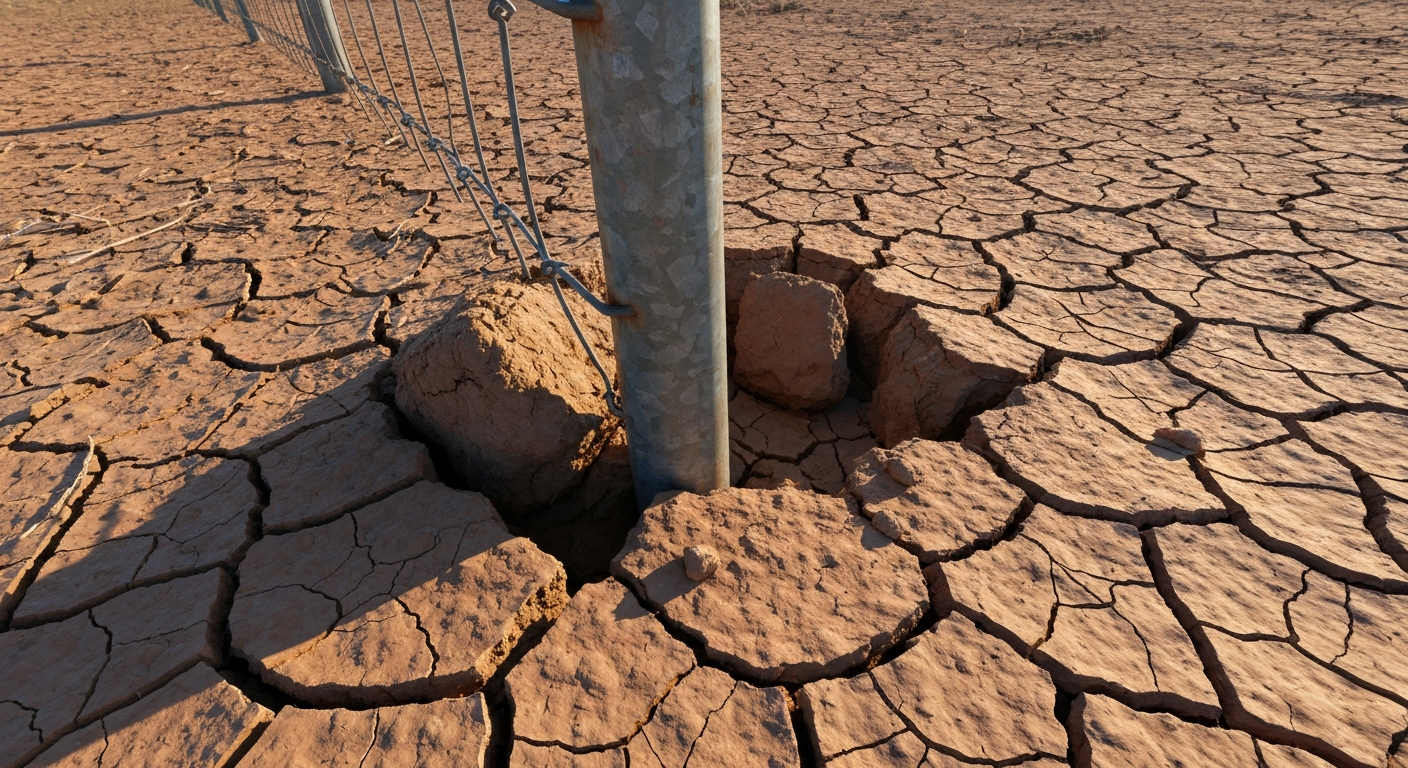
What discoloration and securing can not repair is structural or water-management issues. If water is merging at the fence line, if the posts were set up without adequate drain, or if a void traps dampness against the wood, coverings will fall short faster. You might get a temporary colour enhancement, however the underlying issue stays.
That's why the "should we call an installer?" question is typically much less about the discolor itself and much more about whether the fence is established to hold a finish long term.
The minute you ought to take into consideration calling a fence installer
Homeowners normally begin with excellent objectives: tidy the fencing, sand a little, apply tarnish, and move on. Occasionally it works. Various other times, the effort really feels meaningless because the finish does not stick or it looks irregular within weeks.
Here are the most common situations where generating a Fence installer Melbourne (or a qualified team in your area) is the smarter choice.
- Your fencing is currently flaking, peeling off, or showing layer "alligatoring" (a broken, elevated texture)
- The timber is greyed or heavily weathered and you are not certain about how to restore the surface safely
- There are articles or rails that look loose, deformed, or unequal, and you suspect water is getting trapped
- The fence is tall, tight accessibility, or spans an uncomfortable residential or commercial property line where working around neighbors is hard
- You need a regular colour match throughout an irregular fencing construct or you have sections covered at different times
If any one of those feeling familiar, it's not regarding you doing the "incorrect" point. It's about fact. Discoloration and securing are picky procedures. They compensate proper prep and correct hosting, and they punish rushed or guesswork approaches.
When DIY makes good sense (and when it quietly does not)
Calling Fence contractors is not always required. If your fencing is fairly new, the wood is sound, and you can create great air movement while you function, a property owner can typically do a suitable job.
DIY tends to work well when:
The fencing is still in great architectural condition, without loosened sections.
The coating is just faded or dry-looking, not peeling.
You have accessibility fully surface, and you can take your time with appropriate completely dry weather windows.
You can measure and follow the item's directions as opposed to improvising.
But do it yourself can silently fall short when the fence has been exposed for a long time. Also if the boards look "fine" from a distance, the surface area might be erratically weathered. Tarnish can pass through in one place and sit on top in another, producing a blotchy appearance that you can not deal with without removing or extensive sanding. That's when a fencing contractor makes their keep, due to the fact that they intend the process around the wood problem rather than around a schedule.
A tiny story from a task I oversaw years ago: the house owner had actually currently bought the stain. The first day looked excellent. By the second weekend, locations near a darker knot line and around the message encounters had dried out lighter, nearly milky. We wound up requiring extra surface preparation and a various application approach to prevent a jumble appearance. If you're using once and wishing for the very best, you can lose time and cash fast.
The "installer advantage" is preparation, not just application
People believe pros be available in with much better brushes. That's not the factor. The difference turns up in preparation details most property owners don't assume about.
An appropriate fencing mount group or knowledgeable fencing contractors group treats the coating as the final stage of a system. They examine:
How the timber has matured. Some boards are sun-bleached while others are only a little weathered.
Whether prior coatings exist and what they are. If somebody previously utilized a film-forming paint, a tarnish might not bond correctly without the appropriate treatment.
Where water runs. The underside edges near the ground frequently require more focus than the open face.
How fast the fencing dries between steps. You can not hurry a cleansing or oxidation action and then expect also colour.
This is additionally where words "fence company" matters. A fencing company that frequently deals with Melbourne problems tends to plan around humidity, temperature level swings, and the "looks dry however isn't all set" trouble that can take place after morning rain or seaside moisture.
Even if you are managing an additional region, the principle remains the very same. The weather affects the timber, the stain, and exactly how it cures.
Safety and access: the practical reason not to DIY
There's likewise the real-world side: ladders, tight rooms, and working near existing structures.
Many fences are located along courses, driveways, yard beds, and fences that share boundaries with neighbors. If you are staining and securing yourself, you might need to move very carefully around entrances and keep product off surface areas like concrete or paving. Pros currently know how to secure those edges quickly and neatly.
Then there's elevation. If your fencing is tall, or if sections are irregular because articles were mounted on sloped ground, do it yourself ends up being a harmonizing act. One missed out on angle or an error can cost greater than the cost of calling a Fence contractor or Fence contractor Melbourne to manage the job.
I have actually likewise seen house owners sand boldy in a manner that produces a "feathery" surface area that looks uniform in one lights condition however not an additional. Proper prep is not nearly getting to clean wood. It's about doing it consistently sufficient for the discolor to check out the exact same throughout the fence.
Wood condition red flags: what you can not ignore
There are some problems where discoloration and securing need to come after a fix, not as a replacement for one.
If boards are soft from wetness or rot, a finish will certainly not bring back toughness. It may look better briefly but you will maintain managing degeneration underneath.
If the fencing has actually molded or algae growth, merely cleaning and using stain over it can spread out the problem. A cleansing step that actually targets development, followed by washing and a proper drying duration, is typically necessary.
If you see hefty splitting or raising from old layers, you may require stripping or hostile sanding to eliminate loose material. A discolor in addition to stopping working finishing often causes an unequal surface, particularly near rails and sign up with lines.
And if the fencing is relocating, implying blog posts have loosened or rails have actually shifted, the finish will split at anxiety factors. That brings about early wear and a "recoating two times as often" pattern that costs you over time.
This is where fence contractors and installers serve since they can find these details during an examination and advise the order of operations.
Timing issues greater than individuals think
Staining and sealing is not just "use when completely dry." It has to do with the wood, the product, and the weather condition home window all lining up.
If you discolor right prior to a run of rain, wetness can disrupt penetration and treating. If you do it in straight warm, the finishing can skin over too rapidly, which can trap moisture under or trigger unequal drying. If you start when the boards are still damp from early morning condensation, the colour can come out blotchy.
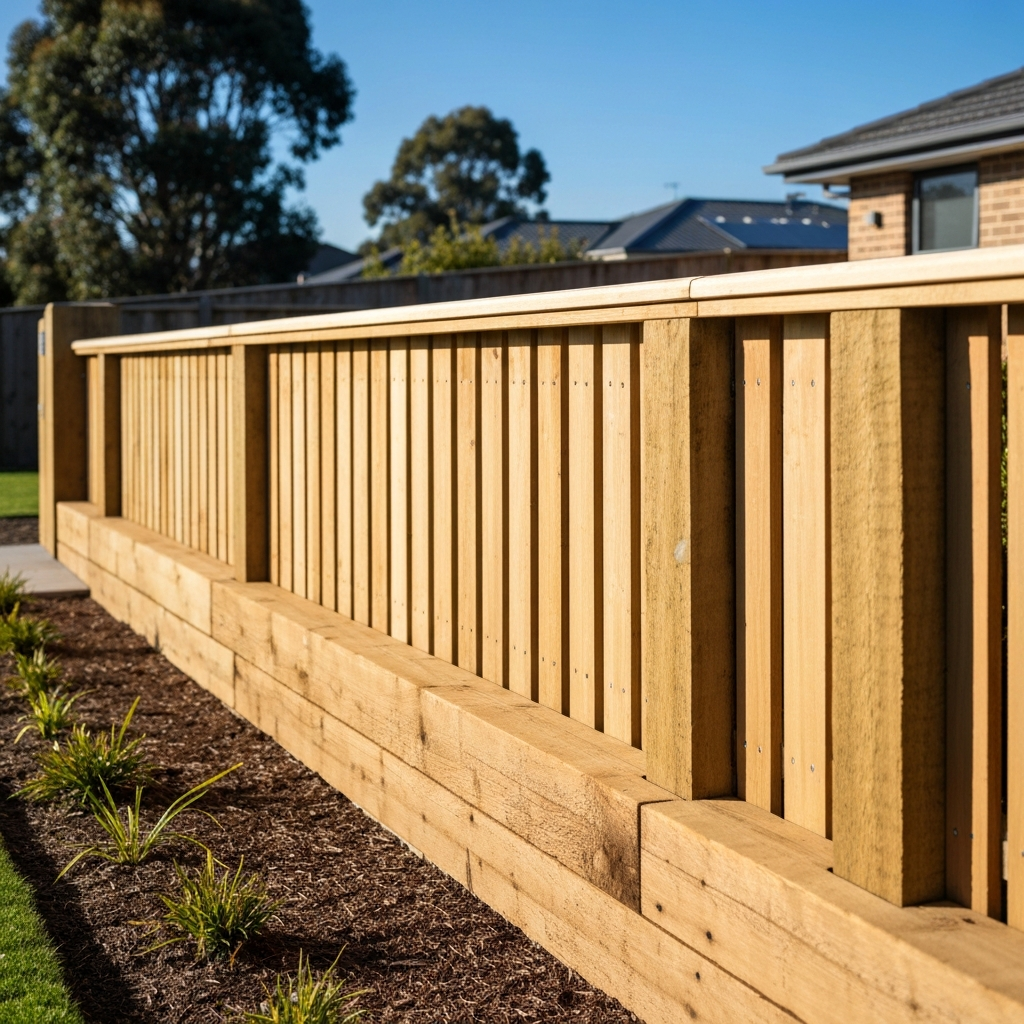
Experienced installers typically schedule based on:
Forecast security over a number of days
Typical drying out times for the certain stain or sealer kind they're using
Whether the fencing obtains full sunlight or mainly shade
Whether the area is prone to morning humidity
This is a crucial factor many people wind up calling fencing contractors Melbourne for these work. Regional groups are used to the patterns and can plan their brows through around the practical truth, not the "the day should be great" assumption.
Colour uniformity throughout covered or mixed timber
One of the trickiest parts is colour matching. Fences are typically patched for many years. New lumber meets older lumber, or one area was replaced after damage while the rest continued to be original.
Stain behaves differently on fresh hardwood than it does on weather-beaten wood. Fresh boards can take in in a different way and show up lighter or darker. Even if you use the precise same product and comply with the exact same technique, the fencing can still look irregular since the wood itself is different.
This is where professional reasoning settles. Installers might:
Do additional surface area preparation on the older sections to also absorption
Choose an application approach that reduces visual mismatch
Recommend timing for when to discolor brand-new areas after installation, if that's possible
If you desire a consistent appearance, specifically on a long fencing run, it's worth talking about the colour uniformity goal in advance with a fence company. Or else you may obtain a "technically ended up" fencing that does not fulfill your aesthetic expectation.
What to ask when you call an installer or fencing contractor
If you determine to generate Fence contractors or a Fence installer, you wish to be positive you're hiring the right ability, not simply the most inexpensive quote.
Here are a few inquiries that normally disclose whether the group recognizes staining and securing as a process.
- What prep steps do you plan for this certain fencing, and why?
- How will certainly you take care of existing layers, mould, or grey weather-beaten timber?
- What discolor or sealant system will you make use of, and is it oil-based or water-based?
- How do you safeguard neighboring surface areas like paving, yard beds, and walls?
- Can you describe your expected timeline and weather condition considerations for curing?
A reputable Fence contractor Melbourne need to have the ability to respond to these clearly, and they must ask you for context as well. If they do not ask about prior finishes, current repair services, or the fence's direct exposure pattern, that's an indication to slow down.
How installer staffs actually make the job appearance "done"
There's a factor professional surfaces look constant. It's not just because they function much faster, it's due to the fact that they control variables.
For instance, a team will typically keep a consistent application rhythm so the tarnish isn't delegated flash completely dry erratically throughout areas. They additionally take care of overlap so you do not see lap marks at different angles. They focus on end grain and cut sides, which often tend to drink discolor differently.
They likewise treat the rail edges and post encounters as their own trouble. End grain takes in promptly, and blog post caps or top rails can behave in a different way depending upon sunlight direct exposure and exactly how water strikes them.
Homeowners usually focus on the "front face," because that's what you see from the street. Installers are educated to think about what you can not quickly see, including the underside of rails and the areas where water lingers.
Those concealed locations are specifically where finish wear starts. Capture it early, and you obtain a fence that holds its appearance longer.
Common trade-offs: price, mess, and maintenance
One point worth being straightforward about is that better outcomes usually feature compromises.
More detailed prep, consisting of cleansing and sanding time, sets you back more. However it can prolong the life-span of the surface, minimizing just how commonly you require to renovate the job.
Some tarnish systems create a richer colour however might need even more constant maintenance. Clear or lighter systems can look efficient initial yet may discolor at various rates, calling for earlier touch-ups.
A greater sheen can look terrific, yet it may highlight surface area blemishes. A more matte finish can hide small variants yet still relies on prep high quality for also colour.
Also, think about the timeline. Installing and tarnishing are typically separate efforts. If your fence requires repair work first, expect the task to stretch over greater than one visit. If you do it in a rush, you run the risk of sealing problems that appear later.
This is where a fence company Melbourne can assist by recommending a practical maintenance plan instead of treating it as a one-off transaction.
When you might still DIY the small parts
Not every circumstance needs a full specialist task. If the fencing remains in good shape, you can sometimes deal with restricted areas.
Think concerning little post replacements, small board swaps, or spot sanding where the surface is faded. The trick is to prevent producing "spot islands" where colour and appearance vary from the remainder of the run.
If you do little sections on your own, plan your timing so the stain and sealer can age with each other. For instance, doing jumble right before a complete fencing recoating can be a smarter move than discoloring a little area and afterwards viewing it stand apart for months.
If you are changing an area and want it to mix, a fence installer can aid you line up the wood preparation so the new boards approve stain likewise. That's usually the distinction in between a fast repair and a surface that looks intentional.
The upkeep reality: preparing for the following round
Even the best task requires upkeep. Fencing discoloration and sealing is not permanent, specifically under solid sun and damp seasons.
The practical inquiry is not only whether to employ an installer now, it's whether you will make your following upkeep easier.
A well-executed layer system reduces the initiative the following time. That indicates:
Less flaking to scrape
More attire fading as opposed to patchy failure
Better resistance to wetness absorption at the edges
This is among the surprise reasons individuals call a fencing contractor after a frustrating DIY attempt. The genuine expense shows up later as additional prep time and labour because the finish really did not bond correctly the very first time.
Choosing the appropriate sort of aid for your fence
Sometimes the task is a lot more regarding the "fence develop" than the discolor. If your fence is nearing end-of-life structurally, you might invest cash sealing a fencing that still needs replacement.
That's a reasoning call an excellent installer will certainly make throughout inspection. If a fencing section is falling short, it's typically much better to fix or change those components before discoloration and sealing.
In other instances, the fencing is strong but requires a finish and the home owner wants a regular look. After that a Fence contractor or Fence installer can concentrate on prep high quality and application technique.
And in some cases you require a fence company for scheduling, waste administration, protection of areas, and assured workmanship since the fence beings in a complex environment.
If you're comparing options, don't just ask what they charge. Ask what they will certainly do when the timber condition shocks them on website. A thoughtful prepare for grey weathered lumber, old layers, and unequal absorption is what you wish to hear.
A quick choice guide you can use this weekend
If you want a simple mental checklist before you schedule anything, try this approach:
First, look very closely at the surface in color and straight light. Does the wood appearance uniformly dry, or are there darker and lighter spots? Patchiness recommends unequal absorption, usually tied to weathering distinctions or previous coatings.
Second, run your hand along a few rails and message faces. If the surface really feels rough, messy, or half-cracked, you might require deeper prep than a straightforward tidy and coat.
Third, examine exactly how water behaves around the fencing line. Do you see staining or erosion where water runs? If you do, securing alone will not deal with the cause.
Fourth, make a decision whether you can safely get to the full fence. If accessibility is unpleasant, that's time you can not take back.
When those points point toward irregular preparation, safety and security problems, or structural movement, it's a solid case to call Fence contractors or a fencing contractor team that routinely deals with discoloration and securing job, including Fence installer Melbourne and fence company Melbourne options depending upon where you live.
Getting it right the first time saves greater than you think
People budget for the products and undervalue the job needed to make timber ready for tarnish and sealant. When prep is handled well, the fence generally looks better, holds colour longer, and requires less agitated upkeep later.
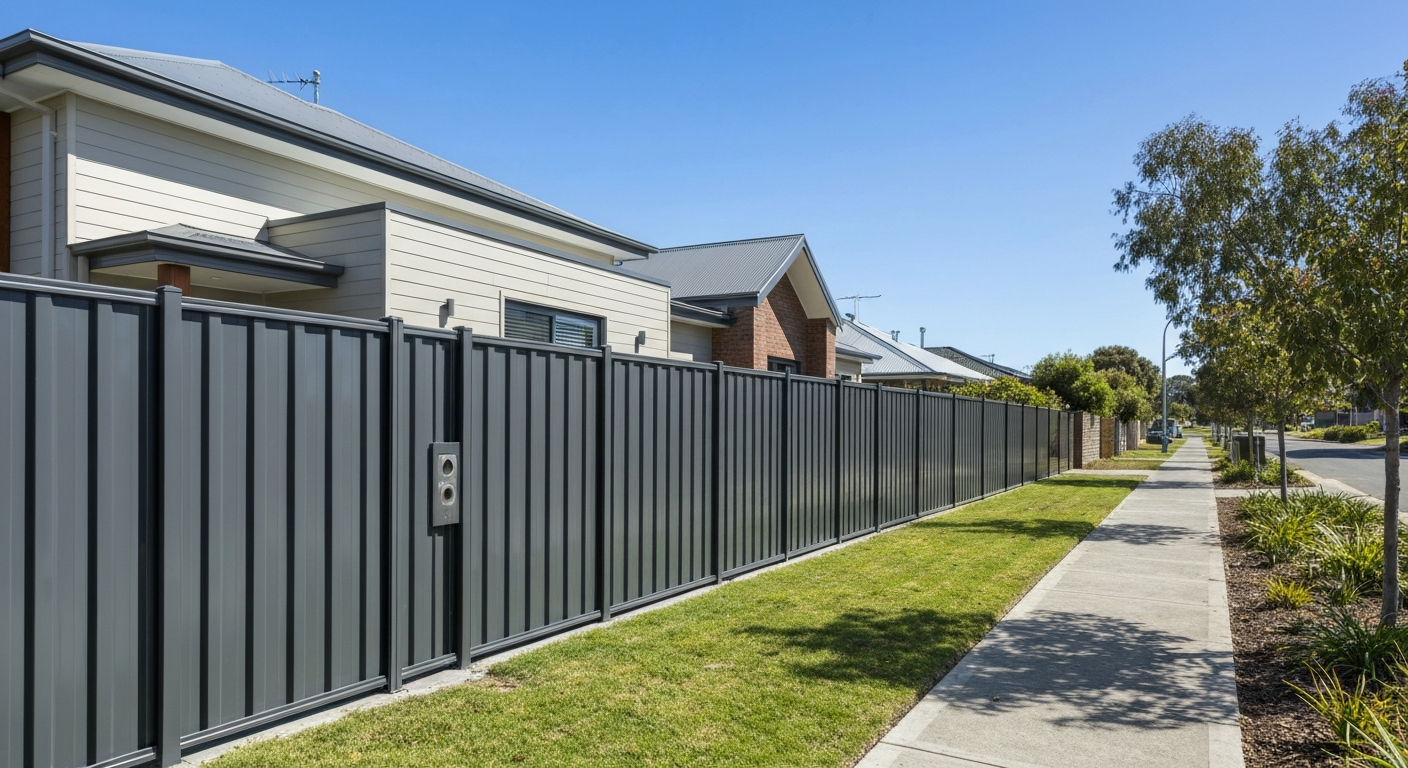
A good Fence company will not assure miracles. They'll speak about wood condition, realistic colour end results, healing timelines, and what happens if the fence Colrbond price ballpark has actually been covered before. That honesty is an indication they understand the trade.
If you're standing in your backyard asking yourself whether to do it yourself or call a Fence contractor, do not rush the decision based upon price alone. Consider the fence as a system. If the system has powerlessness, that's where an installer brings worth that a brush and a bucket can not dependably match.